
2026 World Cup Stadiums – The Ultimate Guide
Looking to find out more about all sixteen 2026 World Cup stadiums? Our ultimate guide contains everything you need to know, from the distances between host cities to each stadium’s capacity and key details. We’ve covered it all. Those of you heading out to the 2026 World Cup will also want to plan ahead for travel across Canada, Mexico and the United States, so we’ve included everything you need to map out your trip between venues.
Best Bookmakers for World Cup Betting
 Betwhale
Payment Options


Average Payout Speed
0 – 24 HoursCurrencies
- Deposit and bet using BTC
- Choose from 25,000+ markets
- Bet in-play on a huge range of sports
- Get paid quickly with no fuss
- Friendly customer support agents
 Sportsbetting.ag
Payment Options


Average Payout Speed
0 – 24 HoursCurrencies
- BTC
- ETH
- LTC
- USD support keeps account balances and bets easy to follow
- A broad selection of cryptocurrencies gives players plenty of ways to deposit
- Card-funded crypto payments add another route for getting money onto the site
- Person-to-person and money order options may suit users who prefer alternatives to standard cards
- Average payouts of around 24 hours look competitive for regular withdrawals
- Payment availability can vary by location, so some users may have fewer deposit options than others
 Everygame Sports
Payment Options


Average Payout Speed
0 – 24 HoursCurrencies
- AUD
- CAD
- USD
- Competitive sign-up and promotional offers
- Excellent statistics section to aid customers
- Pain-free deposit options
- Accepts both high and low limit bettors
- Lengthy and expensive withdrawal procedure
 BetOnline Sports
Payment Options


Average Payout Speed
0 – 24 HoursCurrencies
- USD
- Born in 1991, making it very trustworthy
- Consistent, generous betting promos
- Instant withdrawals using crypto
- Legal for US players to bet online
- Triple-header of sports, casino and poker
 BetUS Sports
Payment Options


Average Payout Speed
0 – 24 HoursCurrencies
- BTC
- LTC
- ETH
- Premier destination for US bettors
- Racebook covering daily races
- Esports and virtual sports markets
- In-depth sports stats and tips
- Intuitive live betting markets
- Limited withdrawal options
 FortuneJack Sports
Payment Options


Average Payout Speed
0 – 24 HoursCurrencies
- USDT
- ETH
- LTC
- Crypto-first betting with quick payouts
- Strong live markets across top sports
- Bet Builder and cash out available
- Loyalty rewards include sports bets
- Live chat support on the website
- There's no dedicated mobile app
 BetNow Sports
Payment Options
Average Payout Speed
0 – 24 HoursCurrencies
- USD
- BTC
- Very easy-to-use design
- Strong focus on US sports
- Access highly competitive odds
- Claim generous deposit bonuses
- Enjoy instant crypto withdrawals
 Qzino Sports
Payment Options


Average Payout Speed
0 – 24 HoursCurrencies
- ETH
- USDT
- MXN
- Wide range of sports coverage, including esports
- Bet Builder and Combo Boost give players more ways to shape their wagers
- Sports cashback of up to 20% adds value beyond the opening offer
- Fast crypto withdrawals and a wide choice of coins make banking flexible
- The mobile-friendly site runs smoothly without requiring a dedicated app
- The choice of bonuses on sportsbook is a little limited for now
World Cup Stadiums in Canada, Mexico and United States
Before you start betting on the 2026 FIFA World Cup, you might be interested in learning a little more about the 16 stadiums hosting matches across Canada, Mexico and the United States.
Unlike Qatar 2022, the 2026 World Cup will be spread across a huge geographic area, with venues separated by thousands of miles rather than clustered around one city. That means fans can expect a far less compact tournament, with travel planning playing a much bigger role for those attending matches in person.
2026 World Cup Stadiums at a Glance
A total of 104 matches will be played across 16 stadiums at the 2026 FIFA World Cup in Canada, Mexico and the United States. Each venue will host at least four matches, while preliminary stadium capacities range from 44,315 to 78,576.
Here’s some of the most important information you should know about the host stadiums for the 2026 World Cup:
- Opening Match: Mexico City Stadium
- Final: New York New Jersey Stadium
- Average Stadium Capacity: 63,134 seats
- Largest Stadium: New York New Jersey Stadium (78,576 seats)
- Smallest Stadium: Toronto Stadium (44,315 seats)
- Average No. of Matches Per Stadium: 6.5
World Cup 2026 USA Stadiums & Host Cities
Now it’s time to share everything you need to know about the 11 World Cup stadiums being used in the United States for the 2026 tournament, including the location, capacity and key details for each venue. While the 2026 edition will be staged across Canada, Mexico and the United States, the USA will host the majority of the matches across 11 host cities.
The key takeaway is that fans travelling to games in the United States should still expect significant distances between venues, so planning ahead will be essential. It’s well worth mapping out your route between host cities before you fly.
New York New Jersey Stadium
New York New Jersey Stadium
Opened: April 10, 2010
Location: East Rutherford, New Jersey
Capacity: 82,500
Cost: $1.6 billion
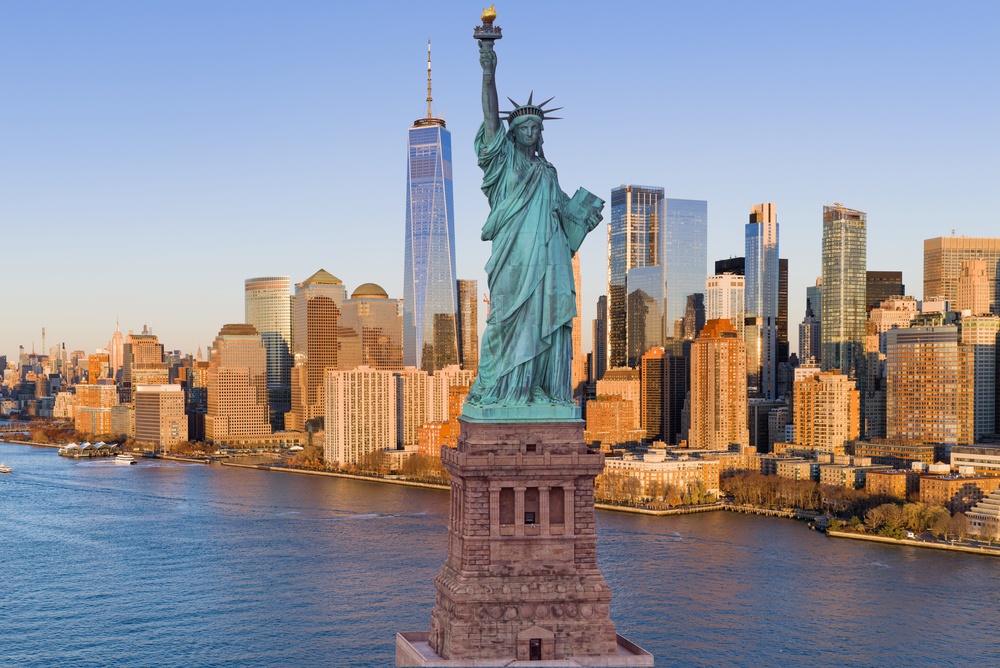
MetLife Stadium is one of the flagship stadiums in the US and among the most recognisable sporting venues globally. The stadium was the most expensive in US history when it opened in 2010, replacing the iconic Giants Stadium. It is the home of the NFL’s New York Giants and New York Jets, but has also hosted major concerts and sports events, including the Army-Navy Game and Super Bowl XLVIII. The MetLife will also be leading the World Cup 2026 stadiums as the host of group and knock-out games, as well as the 2026 FIFA World Cup final.
Los Angeles Stadium
Los Angeles Stadium
Opened: September 8, 2020
Location: Inglewood, California
Capacity: 70,240
Cost: $5-6 billion
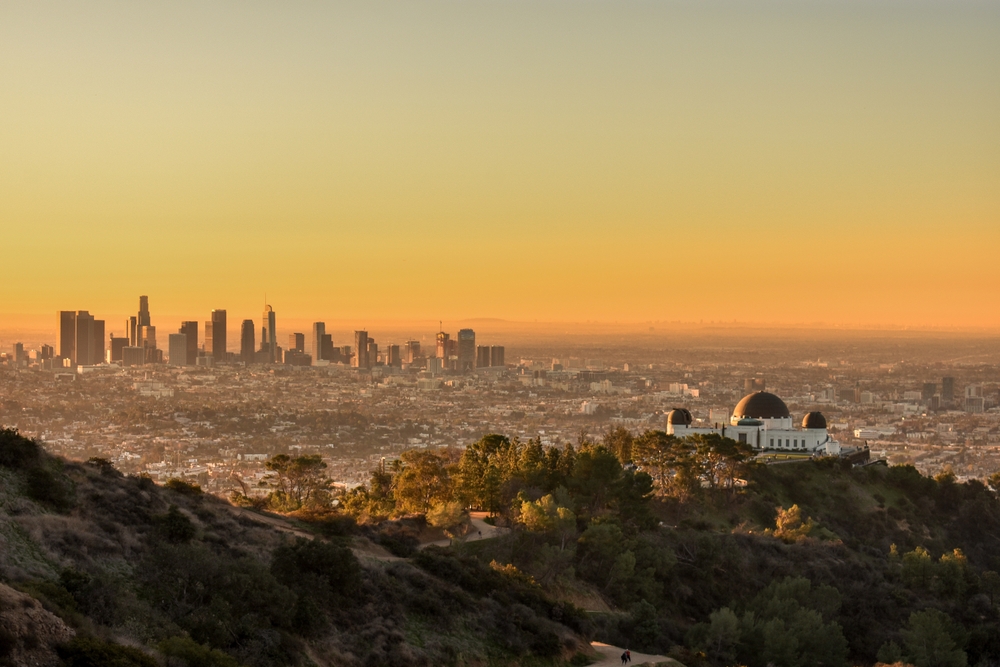
Located in the Los Angeles metro area, Los Angeles Stadium is the most expensive stadium ever built and is the home of the Los Angeles Rams and Los Angeles Chargers in the NFL. But it has since become one of the premier sporting venues in the US, hosting Super Bowl LVI, the 2023 College Football Playoff National Championship, WrestleMania, and CONCACAF Gold Cup finals. As Los Angeles readies to host the 2028 Summer Olympics, the stadium will host the opening and closing ceremonies. As one of the World Cup 2026 stadiums in the USA, Los Angeles Stadium will also host Group B, D, and G matches and knock-out games up to the Quarter-Finals.
Dallas Stadium
Dallas Stadium
Opened: May 27, 2009
Location: Arlington, Texas
Capacity: 80,000-100,000 expandable
Cost: $1.3 billion
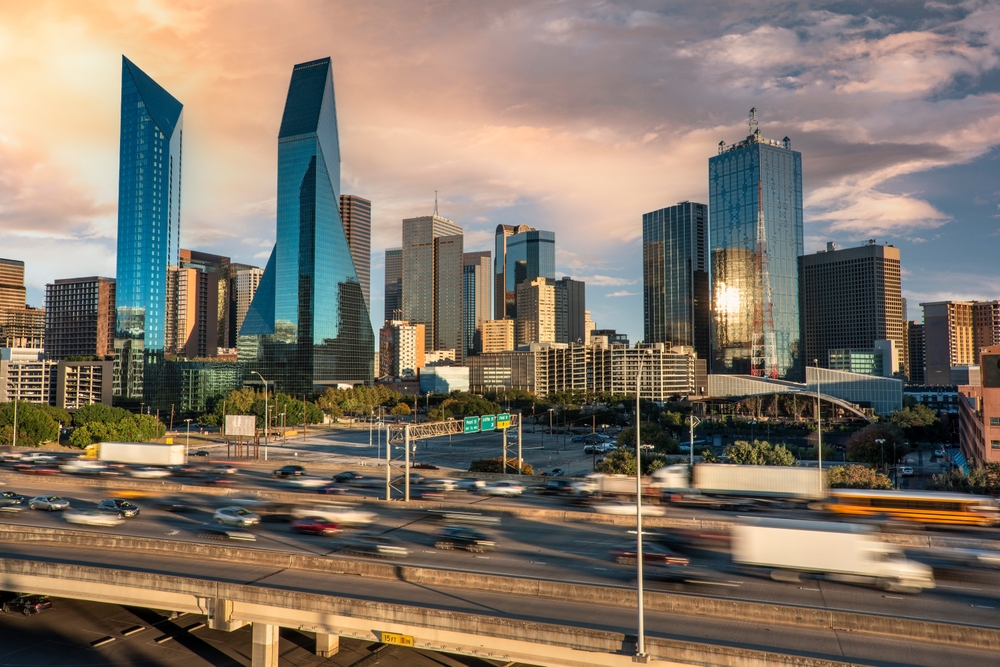
Dallas Stadium, known as “Jerry World”, is one of the most recognisable stadiums in the world with its high glass walls and domed retractable roof. It is also home to the Dallas Cowboys in the NFL. Jerry World has been the host of major music concerts, the annual Cotton Bowl Classic, the Big 12 Championship and more. It will also play a key role during the 2026 FIFA World Cup, where it will host matches in Groups F, J, and L, as well as knock-out games up to the Semi-Final.
Atlanta Stadium
Atlanta Stadium
Opened: August 26, 2017
Location: Atlanta, Georgia
Capacity: 71,000
Cost: $1.6 billion
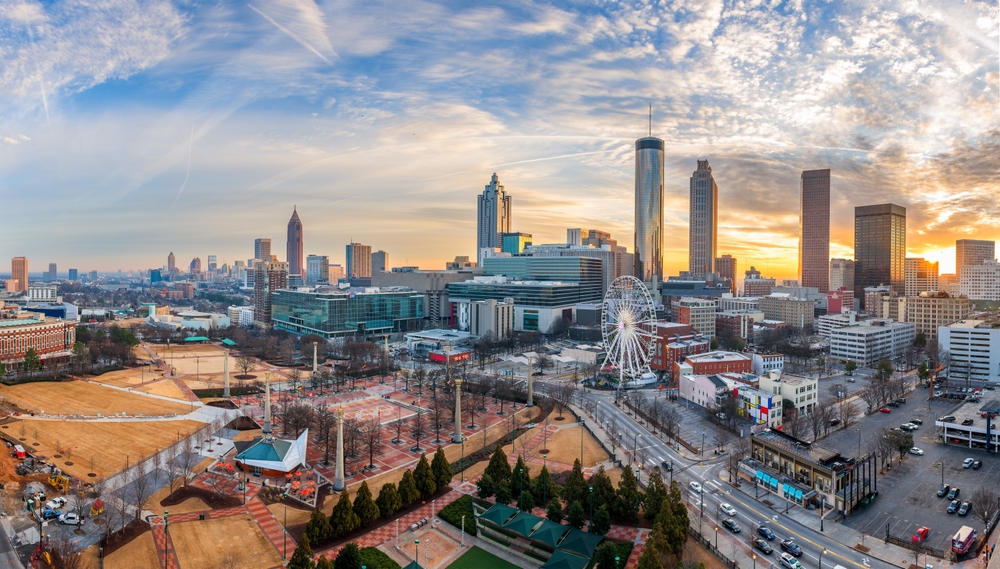
Atlanta Stadium stands out with its retractable roof and futuristic design. It is the home stadium of the Atlanta Falcons in the NFL and Atlanta United FC in the MLS. But it is also a multi-purpose venue that has held Super Bowl LIII, the Peach Bowl and College Football Playoff National Championship, and the MLS Cup. It will host games at the World Cup in Groups A, C, H, and K, as well as knock-out matches, including a Semi-Final.
Miami Stadium
Miami Stadium
Opened: 1987
Location: Miami Gardens, Florida
Capacity: 65,000
Cost: $600 million in renovations
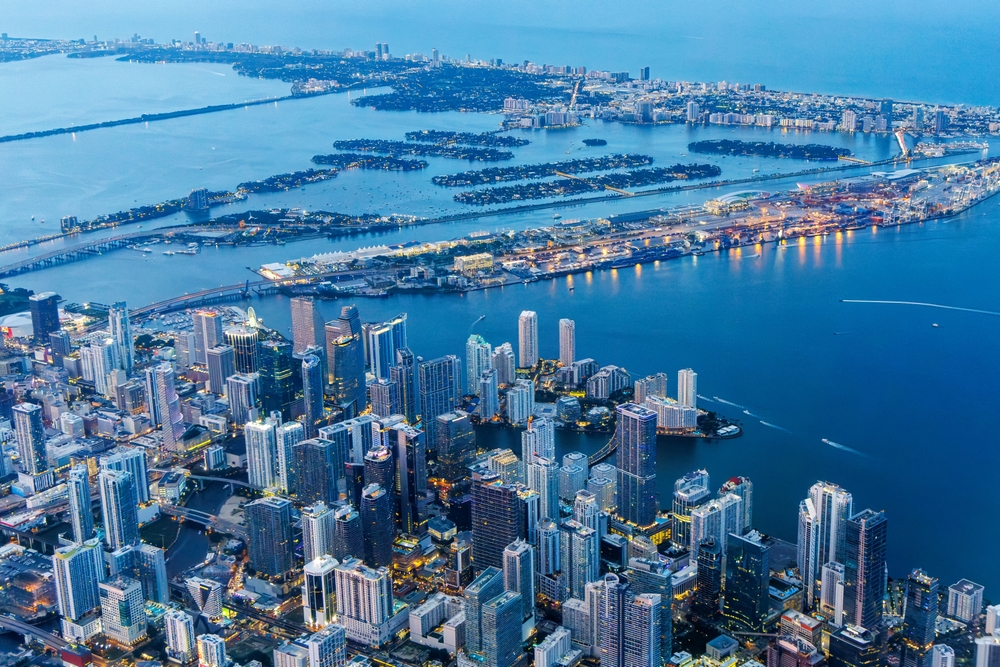
Miami Stadium is one of the most historic World Cup 2026 stadiums and is best known as the home of the Miami Dolphins in the NFL. It has gone through major renovations over the years, including for the World Cup. The stadium has previously housed matches at the 1994 World Cup and Copa América, as well as the Miami Open in tennis. At the 2026 FIFA World Cup, Miami Stadium will host group games and knockouts, including the Third-Place match.
Seattle Stadium
Seattle Stadium
Opened: 2002
Location: Seattle, Washington
Capacity: 68,740
Cost: $430 million
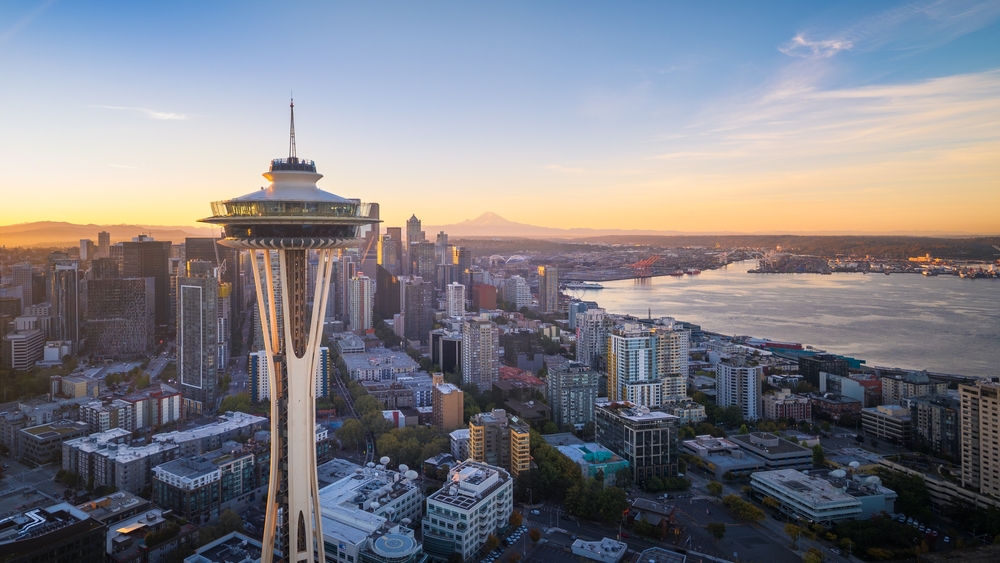
Seattle Stadium is home to the NFL’s Seahawks and MLS’s Seattle Sounders. This stadium is known for having one of the best atmospheres in American sports. Located in downtown Seattle, Seattle Stadium offers excellent transport links, which is something fans also experienced during the FIFA Women’s World Cup 1999. Seattle Stadium will host Groups B, D, and G matches this summer.
Kansas City Stadium
Kansas City Stadium
Opened: 1972
Location: Kansas City, Missouri
Capacity: 76,416
Cost: $43 million when opened
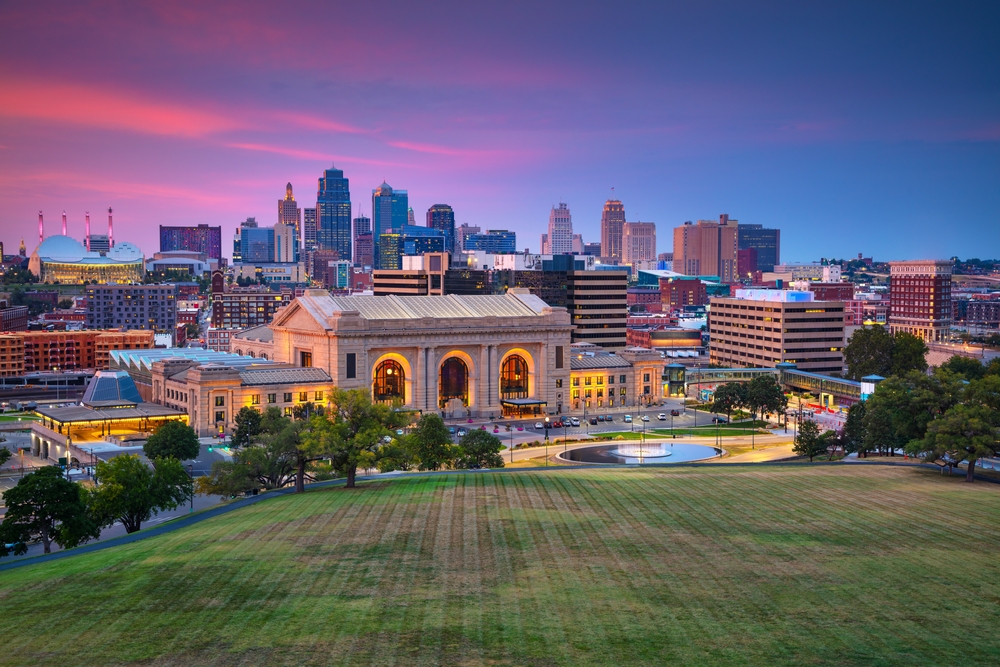
Kansas City Stadium is home to the NFL’s Kansas City Chiefs and is known for generating a raucous atmosphere – in fact, it holds the record for the loudest noise in the NFL. It has gone through several renovations since its opening in 1972 to modernise the facilities. During the 2026 World Cup, Kansas City Stadium will take matches in Groups E, F, and J, as well as the Quarter-Finals.
Houston Stadium
Houston Stadium
Opened: 2002
Location: Houston, Texas
Capacity: 72,220
Cost: $352 million
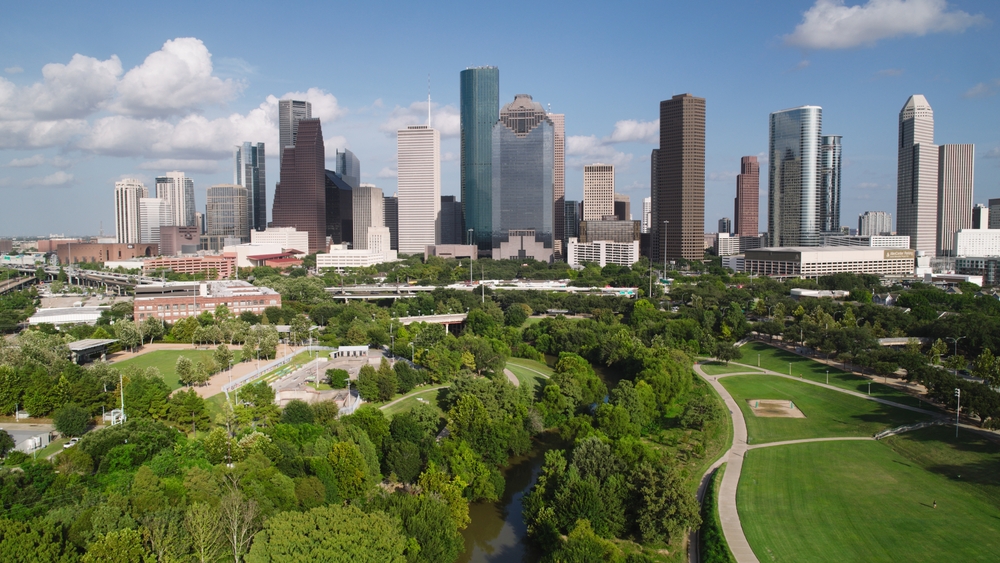
Houston Stadium, home of the NFL’s Houston Texans, features a retractable roof and has hosted Super Bowl XXXVIII. Its location near the Texas Medical Centre and NRG Park makes it accessible and central to Houston’s entertainment district. Several World Cup 2026 matches will be held there in Groups E, F, H, and K, and the stadium will also host knock-out rounds up to the Round of 16.
Philadelphia Stadium
Philadelphia Stadium
Opened: 2003
Location: Philadelphia, Pennsylvania
Capacity: 69,176
Cost: $512 million
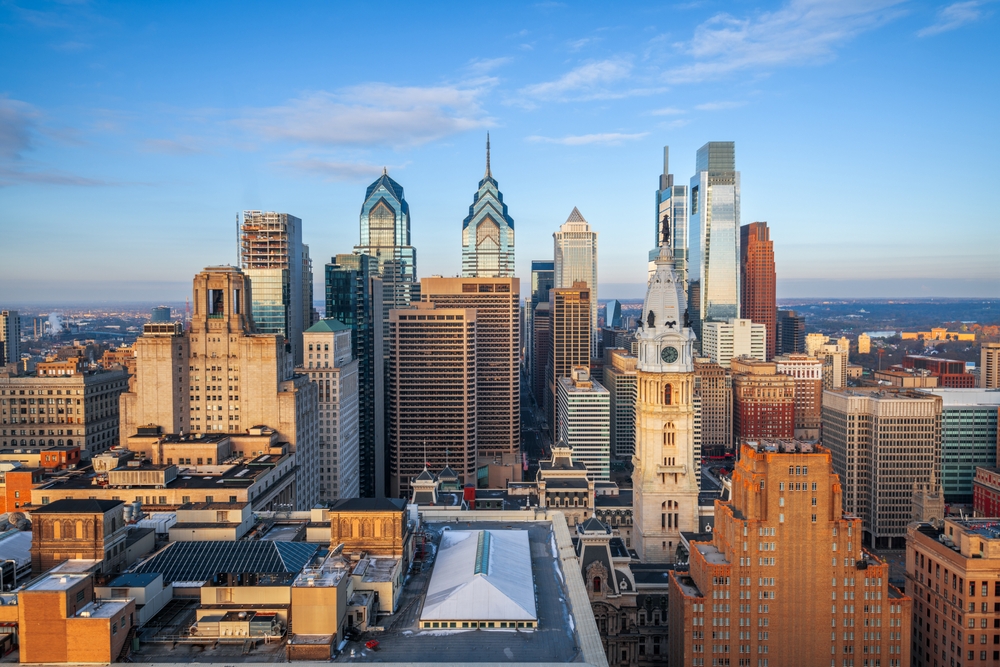
Philadelphia Stadium is home to the NFL’s Philadelphia Eagles, the current Super Bowl champions. It is located in the heart of the city, bringing rich culture from the birthplace of independence in the United States. At the 2026 World Cup, the stadium will host Groups C, E, I, and L matches alongside knock-out games, including the Round of 16.
San Francisco Bay Area Stadium
San Francisco Bay Area Stadium
Opened: 2014
Location: Santa Clara, California
Capacity: 68,500
Cost: $1.3 billion
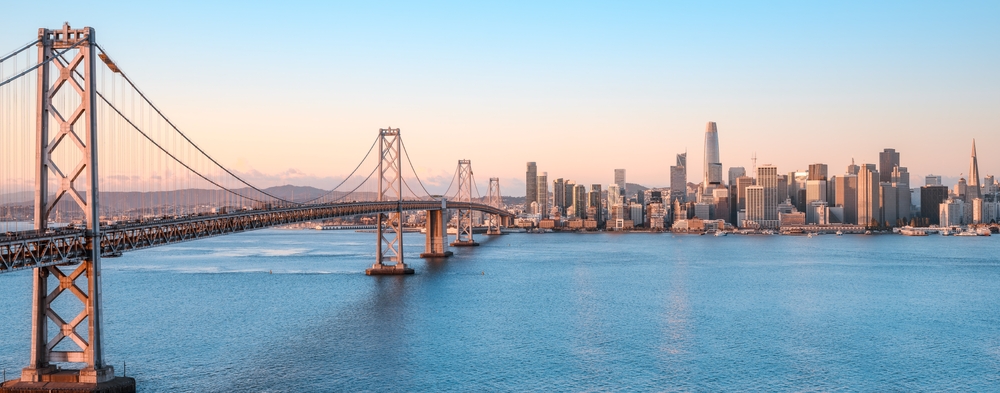
Home to the NFL’s San Francisco 49ers, San Francisco Bay Area Stadium is also one of the World Cup 2026 stadiums the USA is using. Found in the Bay Area, the stadium has previously hosted numerous concerts, football friendlies, and college football matches, as well as Super Bowl 50. During the World Cup, Groups B, D, and J matches will take place at San Francisco Bay Area Stadium, alongside a Round of 32 fixture.
Boston Stadium
Boston Stadium
Opened: 2002
Location: Foxborough, Massachusetts
Capacity: 65,000
Cost: $325 million
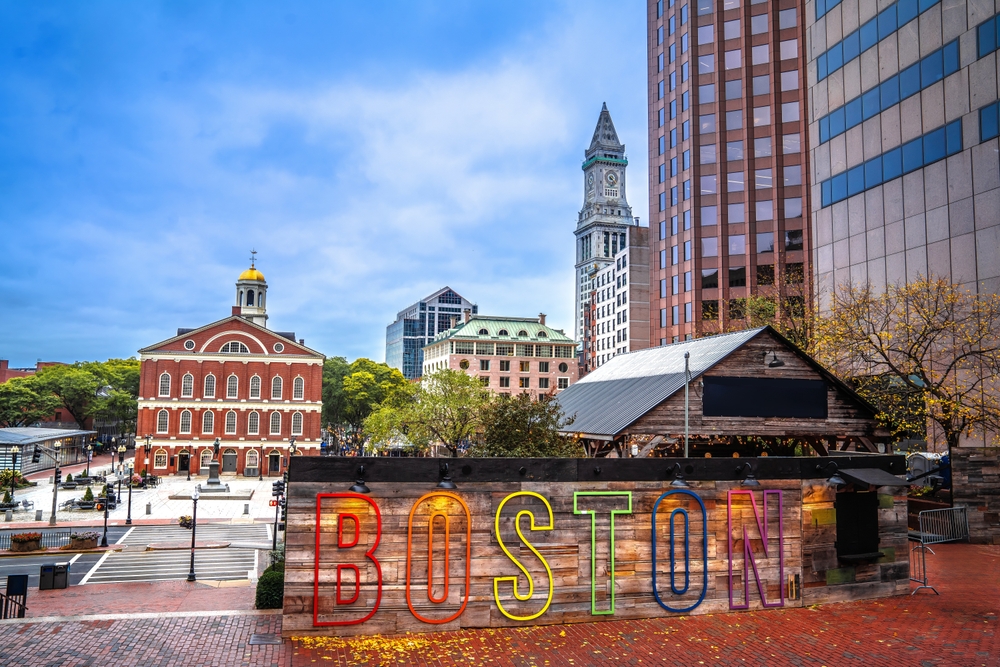
Boston Stadium has become a world-famous venue due to the enduring success of the New England Patriots in the NFL, with the team winning six Super Bowls in the last 25 years. And its proximity to Boston gives fans access to historic sites and easy transport links. During the 2026 World Cup, the stadium will host matches in Groups C, I, and L while also being a main venue for the knock-out rounds, including the Quarter-Final game.
World Cup 2026 Canada Stadiums & Host Cities
Canada’s role in the 2026 World Cup may be smaller in terms of fixture numbers, but its two host venues will still be a key part of the tournament. In this guide, we’ll break down everything worth knowing about the stadiums in Toronto and Vancouver, from where they are and how many fans they hold to the main details behind each venue.
For travelling supporters, the main thing to keep in mind is the distance between the two host cities. Although there are only two Canadian stadiums, they are located on opposite sides of the country, so it’s important to plan flights and travel schedules in advance.
Toronto Stadium
Toronto Stadium
Opened: 2007
Location: Toronto, Ontario, Canada
Capacity: 45,736
Cost: C$146 million in World Cup upgrades
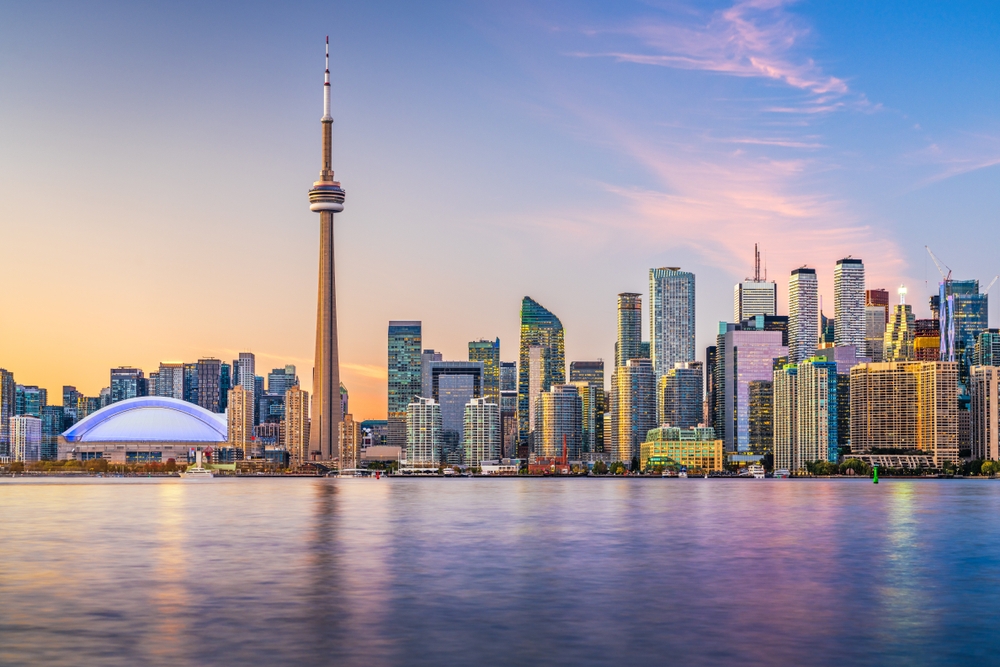
Toronto Stadium is one of the two World Cup 2026 stadiums Canada is contributing to the tournament. It has gone through a temporary expansion to meet FIFA’s minimum capacity requirements for World Cup matches. It is usually home to MLS club Toronto FC and is also used by the Argonauts of the Canadian Football League. Toronto Stadium will host Canada’s opening game and become the first stadium in Canada to host a World Cup match. Further games will be held there in Groups E, I, and L, along with the Round of 32.
BC Place Vancouver
BC Place Vancouver
Opened: 1983
Location: Vancouver, British Columbia, Canada
Capacity: 54,500
Cost: C$138 million
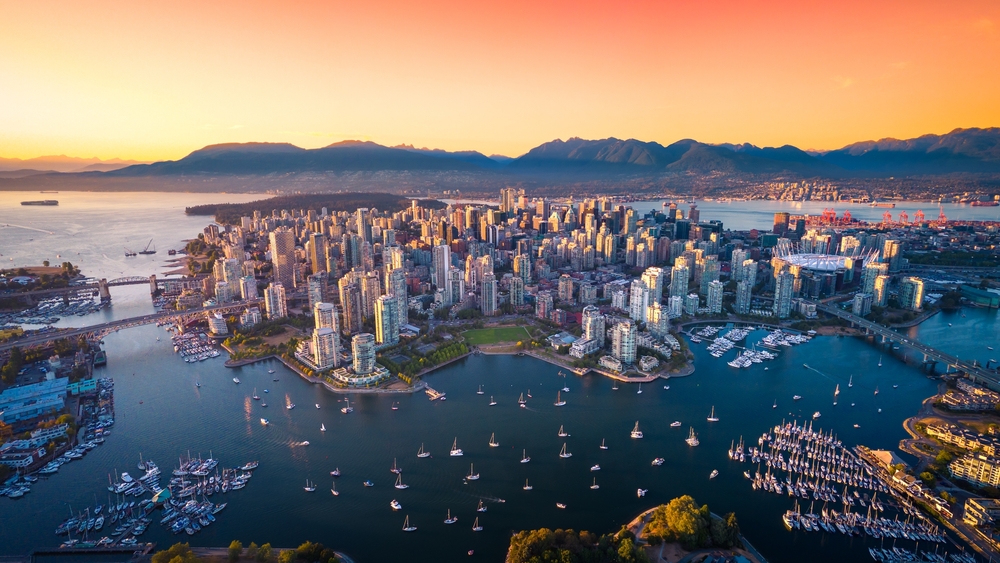
Located in the Los Angeles metro area, Los Angeles Stadium is the most expensive stadium ever built and is the home of the Los Angeles Rams and Los Angeles Chargers in the NFL. But it has since become one of the premier sporting venues in the US, hosting Super Bowl LVI, the 2023 College Football Playoff National Championship, WrestleMania, and CONCACAF Gold Cup finals. As Los Angeles readies to host the 2028 Summer Olympics, the stadium will host the opening and closing ceremonies. As one of the World Cup 2026 stadiums in the USA, Los Angeles Stadium will also host Group B, D, and G matches and knock-out games up to the Quarter-Finals.
World Cup 2026 Mexico Stadiums & Host Cities
Mexico brings plenty World Cup history to the 2026 tournament, with three host stadiums set to stage matches across the country. In this guide, we’ll run through the key information for each Mexican venue, including where they’re located, how big they are and what makes them stand out.
For supporters travelling between games, the main point to remember is that Mexico’s host cities are spread across different parts of the country. That means getting from one stadium to another will take more planning than a single-city tournament, so it’s worth organising your route well in advance.
Mexico City Stadium
Mexico City Stadium
Opened: 1966
Location: Mexico City, Mexico
Capacity: 83,000
Cost: Unknown
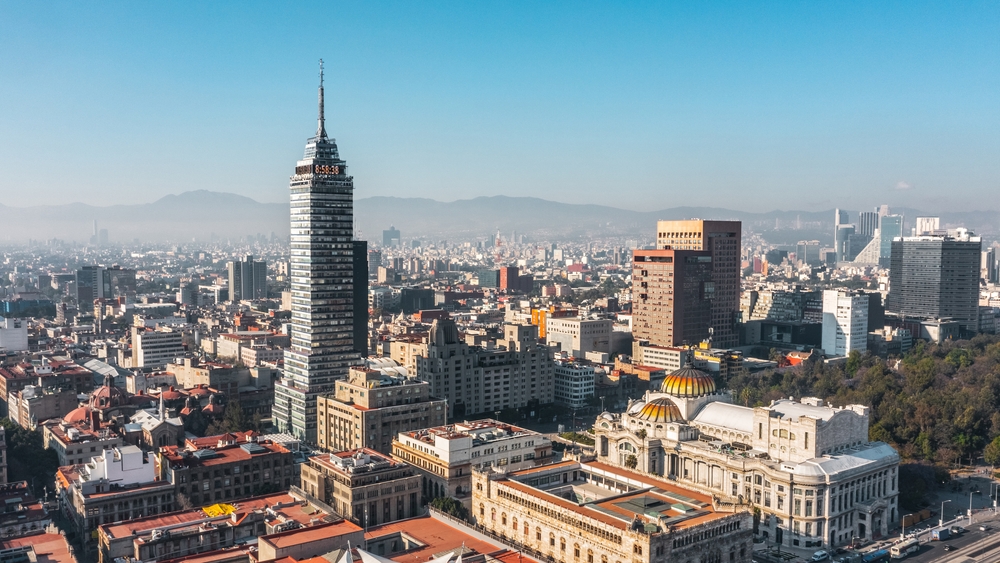
Mexico City Stadium is the flagship of the World Cup 2026 stadiums Mexico will use and will be used as the host of the opening match. One of the most legendary football stadiums in the world, it is the only venue to have hosted matches in three FIFA World Cups (1970, 1986, and 2026). Mexico City Stadium is also the oldest venue for the 2026 tournament and will host group games, along with the Round of 32 and Round of 16 games. When not in World Cup use, the stadium is home to Liga MX giants Club América and Cruz Azul.
Estadio Guadalajara
Estadio Guadalajara
Opened: 2010
Location: Guadalajara, Jalisco, Mexico
Capacity: 48,000
Cost: Unknown
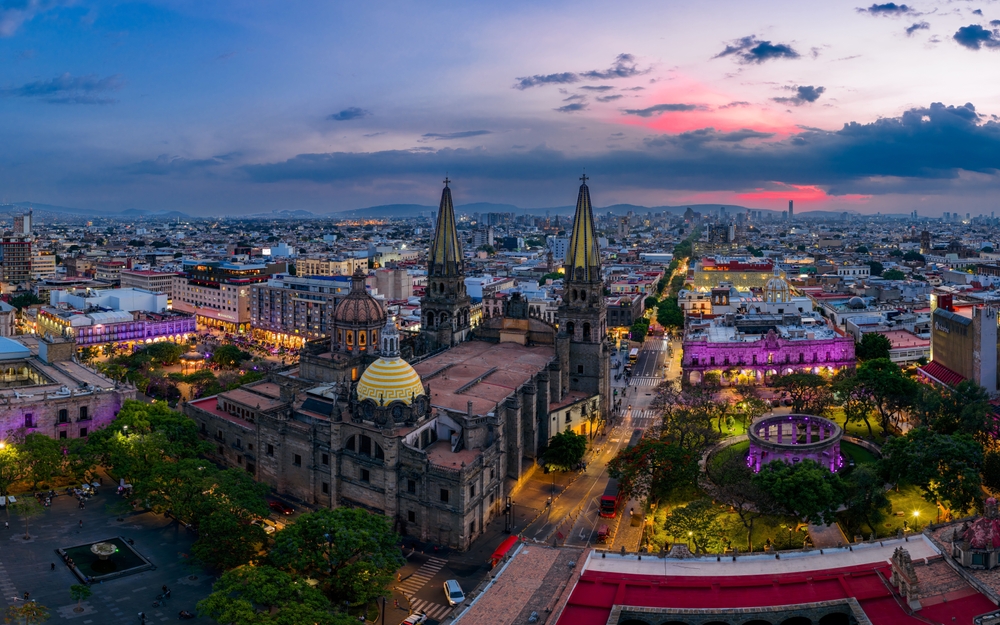
Estadio Guadalajara, home to Liga MX club Chivas de Guadalajara, is known as a stadium that blends into the beautiful jungle landscape. It is one of the more intimate venues at the 2026 World Cup and will host four group stage matches in Groups A, K, and H.
Estadio Monterrey
Estadio Monterrey
Opened: 2015
Location: Guadalupe/Monterrey, Nuevo León, Mexico
Capacity: 53,500
Cost: Unknown
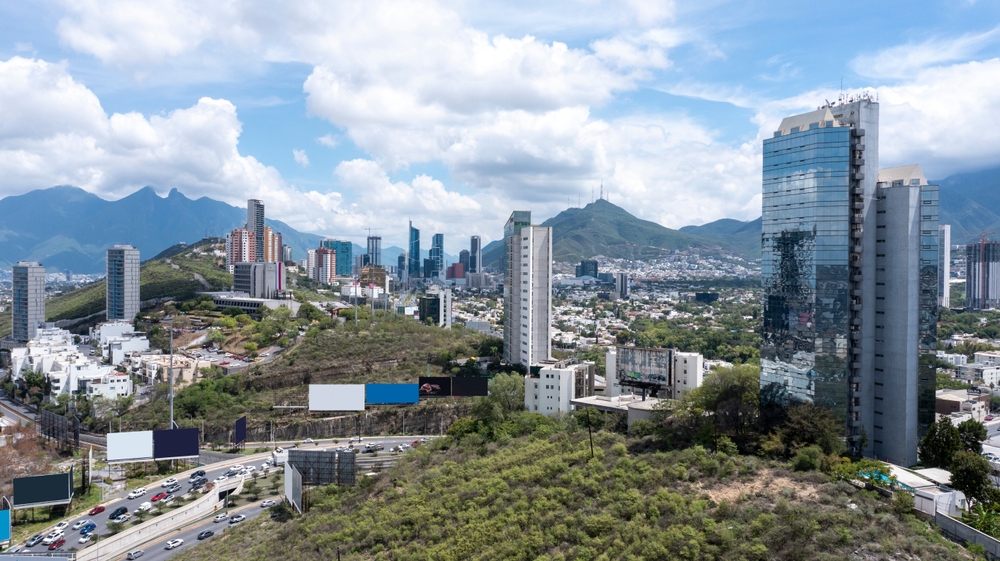
Estadio Monterrey, also known as “El Gigante de Acero,” stands out as one of the most unique stadiums at the 2026 World Cup. It nestles between striking views, including the Cerro de la Silla mountain, and is home to CF Monterrey in Liga MX. It will host matches in Groups A, F, and K while also taking a game in the Round of 32.
What’s the Climate Like at World Cup 2026 Stadiums?
While the World Cup has been held in large countries before, the 2026 edition of the tournament will be the most geographically diverse ever. It will be spread across a whole continent during the summer months of June and July, covering 16 host cities in the USA, Canada, and Mexico.
This means that World Cup 2026 stadiums will present dramatically different climate conditions for teams to deal with. In the hottest cities of Houston, Dallas, Monterrey, and Guadalajara, daytime high temperatures will soar to between 32–38°C (90–100°F). Cities like Houston and Guadalajara will also have humidity that pushes the heat index higher.
Players and supporters will face tough conditions, but US venues like the AT&T Stadium and NRG Stadium are enclosed and use climate control.
On the other end of the spectrum, cities like Vancouver, Seattle, and Toronto are known as cold places during the winter. But in June and July, when the World Cup is held, the temperature will be mild with highs between 20–27°C (68–81°F). But cities like Vancouver and Seattle are known for major rainstorms even during the summer months.
For teams playing in Mexico City (Estadio Azteca), altitude also becomes a factor. The stadium sits at over 2,200 meters (7,200 feet) above sea level, and thinner air has been a factor at previous World Cups held in Mexico.
FAQs
How many stadiums will host the World Cup 2026?
Which country hosts the final?
What stadiums are England playing at in the World Cup 2026?
Does stadium location affect betting?
How much did the stadiums for World Cup 2026 cost?
About the author

Eric Roberts
Sports Journalist
Eric has been a sports journalist for over 20 years and has travelled the world covering top sporting events for a number of publications. He also has a passion for betting and uses his in-depth knowledge of the sports world to pinpoint outstanding odds and value betting opportunities.
Related Articles

World Cup
Read our World Cup betting guide to learn how to get started betting, what options are available for wagering, and who’s favoured to come out on top.

World Cup Offers and Promotions
Bookmakers are showing their generous side to celebrate World Cup 2026, so check out the best offers and promotions for this summer’s action.

World Cup Outright Betting
Which team will win World Cup 2026? Compare the latest outright betting odds and get our thoughts on the favourites and dark horses.

World Cup Teams and Groups
Want to learn more about all 48 teams competing in Canada, Mexico and USA 2026? Read our World Cup teams guide to discover their latest odds and more.